



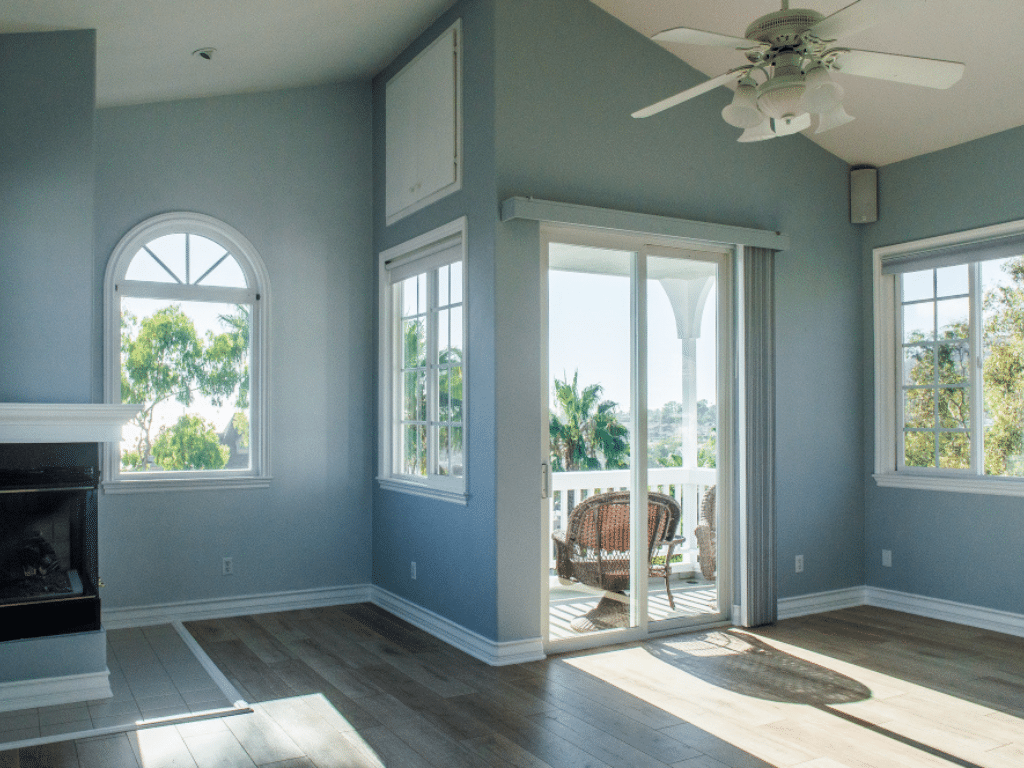
There is a distinct rhythm to life in Haldimand County. As the lush greenery along the banks of the Grand River gives way to the fiery hues of autumn, residents begin the annual ritual of hunkering down. We swap t-shirts for flannels and patio lanterns for fireplace glows. However, amidst the pumpkin carving and the fall fairs, there is a looming reality that every Ontario homeowner knows all too well: the winter freeze is coming. The premise of this guide is simple but critical—your home’s envelope is its primary defence against the harsh months ahead. While many view spring as the season of renewal, the smart money in Caledonia is on autumn as the season of fortification. Acting now, in the “Goldilocks” window of fall weather, is the single most effective step you can take to ensure your home remains a fortress of warmth when the northerly winds begin to howl.
Introduction
Fall in Caledonia is deceptively beautiful. The crisp air and the crunch of leaves underfoot can distract us from the fact that our homes are about to undergo a stress test that lasts for five months. For many homeowners, the realization that their windows and doors are failing doesn’t hit until the first deep freeze of January. By then, condensation is icing up on the interior glass, you are wearing a sweater to watch television, and the furnace is cycling on and off with alarming frequency.
Waiting until winter to address these issues is a gamble with your comfort and your bank account. The period between late September and late November offers a unique opportunity for window and door installation that simply doesn’t exist during the humid highs of July or the frozen lows of February. This is about more than just aesthetics; it is about building science. It is about the physics of airflow, the curing times of sealants, and the economics of heating a home in Southern Ontario.
If you live in a heritage home near the town centre or a newer build on the outskirts, the laws of thermodynamics remain the same: heat moves to cold. If your windows are aged, warped, or single-paned, you are essentially trying to heat the neighbourhood. This article outlines exactly why you should prioritize this renovation now, ensuring that when the first blizzard hits the Grand River area, you are watching it from a cozy, draft-free vantage point, rather than shivering under a blanket.
1. Optimal Temperature for Sealant Curing
The success of a window or door installation relies heavily on the materials used to bridge the gap between the new unit and the rough opening of your home. Professional installers use high-grade caulking and expanding foam insulation to create an airtight and watertight seal. While modern chemistry has advanced significantly, these materials still have optimal operating temperatures. In the extreme heat of an Ontario summer, caulk can sometimes set too quickly or become too runny; in the dead of winter, it can freeze before curing properly or become too viscous to apply evenly. Fall temperatures in Caledonia—typically hovering between 5°C and 15°C—are chemically ideal.
When the silicone and latex sealants are applied in these moderate temperatures, they adhere perfectly to the vinyl, wood, or brick. They cure at a steady rate, ensuring maximum flexibility. This flexibility is crucial because materials expand and contract as the seasons change. A seal applied perfectly in the fall provides the best long-term bond, ensuring that water stays out and warm air stays in.
- Key Technical benefits:
- Adhesion: Silicone adheres best to dry surfaces; fall tends to have lower humidity than summer and less frost than winter.
- Expansion: Foam insulation expands more predictably in moderate temperatures, preventing the bowing of window frames caused by over-expansion in heat.
- Longevity: Seals applied in the fall are less likely to crack or peel prematurely, reducing maintenance costs over the lifespan of the window.
2. Immediate Reduction in Heating Bills
In Caledonia, we pay a premium for energy, and those rates tend to spike just as the thermostat drops. The most compelling financial argument for a fall installation is the immediacy of the return on investment. If you install windows in the spring, you likely won’t see the massive energy savings until the following winter. However, by installing in the fall, you stop the financial bleeding instantly. Old, single-pane windows or doors with failing weatherstripping act as thermal holes in your home.
The concept is known as “thermal bridging.” Your furnace works hard to pump heat into your living room, but that heat rapidly transfers through inefficient glass or leaks out through gaps in the frame. By upgrading to double or triple-pane units with Low-E (low emissivity) coatings and Argon gas fills right now, you effectively cap those thermal leaks. You will likely notice that your furnace runs for shorter intervals and less frequently the very first night after installation.
- Energy Facts:
- Heat Loss: According to energy experts, heat loss through windows can account for 25% to 30% of residential heating and cooling energy use.
- The Stack Effect: New doors prevent the “stack effect,” where warm air escapes through the attic and pulls cold air in through drafty lower-level doors.
- Savings: Homeowners can save roughly 12-15% on their total energy bills annually by replacing single-pane windows with Energy Star certified models.
3. Faster Scheduling and Contractor Availability
The construction industry in Ontario has a predictable cycle. Spring and summer are the “rush” seasons. Everyone wants their renovations done when the sun is shining, leading to backlogs, supply chain delays, and contractors who are stretched thin. By the time autumn rolls around, the frantic pace of the summer build season begins to taper off. This “shoulder season” is the sweet spot for scheduling.
For a homeowner in Caledonia, this means you are more likely to get your preferred installation dates. There is generally a shorter lead time between ordering your custom windows and having them installed. Furthermore, because the crews aren’t rushing to get to three other jobs before sundown, you often get a more relaxed, detailed focus on your project. While reputable contractors always maintain quality, the fall pace allows for a seamless, stress-free process before the chaotic holiday season begins.
- Timeline Advantages:
- Manufacturing: Window manufacturers often have shorter production queues in the fall compared to the spring rush.
- Attention: Project managers have more bandwidth to communicate with you regarding design choices and installation logistics.
- Flexibility: It is easier to coordinate the installation around your work schedule or family commitments when the contractor’s calendar is not jam-packed.
4. Preventing Moisture Damage and Mold Growth
Winter in Southern Ontario is not just cold; it is wet. Snow accumulation on sills, freezing rain, and the freeze-thaw cycle can wreak havoc on old windows. One of the most insidious problems with aging windows is the failure of the thermal seal, leading to condensation between panes. More critically, if the caulking around the exterior frame has degraded, water can seep into the wall cavity. Once that water freezes, it expands, widening cracks and causing structural damage.
By replacing your windows in the fall, you are essentially waterproofing your home before the “wet season.” You eliminate the risk of water infiltration that leads to black mold and rotting wood studs. Old windows often have weeping holes that are clogged with debris or paint; new windows ensure that any moisture that does get into the track is properly drained away. Securing the envelope now prevents the discovery of a rotted subfloor or drywall in the spring.
- Moisture Management details:
- Condensation: High-efficiency windows keep the interior glass surface warmer, significantly reducing condensation that damages window sills and drapes.
- Rot Prevention: New capping (aluminum coverage) on the exterior protects wood frames from direct exposure to snow and ice.
- Health: Reducing mold risks improves indoor air quality, which is vital in winter when windows are kept closed.
5. Immediate Comfort and Draft Reduction
There is a specific type of discomfort associated with a drafty home. It isn’t just that the room is cold; it’s that the air is moving. You can feel the chill washing over the floorboards. In Caledonia, where the wind can whip across the open fields and off the river, drafts can make a living room uninhabitable during a January storm. We often compensate by cranking the thermostat up to 24°C, yet we still feel cold because of the convective currents created by cold glass.
Installing new windows in the fall solves this comfort crisis instantly. Modern installation techniques involve using low-expansion foam to fill the shim space (the gap between the window frame and the house). This acts as a windbreaker. Furthermore, the glass itself acts as a shield. Walking past a new triple-pane window in the dead of winter feels no different than walking past a wall; the radiant cold is gone. The upgrade transforms your home from a shelter you endure into a sanctuary you enjoy.
- Comfort Metrics:
- Surface Temperature: The interior surface of a high-efficiency window can be 10°C warmer than an old single-pane window when it is -18°C outside.
- Draft Elimination: Professional installation seals the “rough opening,” stopping the cold breeze that usually chills your feet.
- Useable Space: You can finally place furniture or a reading nook right next to the window without freezing.
6. Curb Appeal for the Holiday Season
While practical benefits usually take precedence, we cannot ignore the aesthetic value. The timeframe from November through January is the peak season for hosting. Whether it’s Thanksgiving, Christmas, Hanukkah, or New Year’s, you will likely have guests coming to your door. Nothing detracts from a festive atmosphere like peeling paint on a front door or windows covered in shrinking plastic wrap to keep the cold out.
New windows and entry doors provide an instant facelift for your home’s exterior. A new front door system with decorative glass and a solid core not only keeps the foyer warm but also serves as a stunning focal point for holiday wreaths and decorations. Crisp, clean window lines brighten up the exterior facade. If you take pride in your home’s appearance during the holiday season, a fall installation ensures your house looks its best when friends and family pull into the driveway.
- Aesthetic upgrades:
- Light: New windows often have slimmer frames (profiles), allowing more natural light to flood your home during the darker winter days.
- Style Update: Fall is a great time to switch styles, perhaps replacing a dated picture window with a functional bay or bow window to add space for a Christmas tree.
- Colour: Modern vinyl windows come in various factory-bond colours (like Iron Ore or Black) that withstand winter elements while looking modern.
7. Protecting Interior Furnishings from UV Damage
We tend to associate UV damage with the blazing summer sun, but the winter sun in Ontario can be deceptively damaging. In the winter, the sun sits lower in the sky, meaning the light penetrates deeper into your rooms for longer periods of the day. Furthermore, snow acts as a massive reflector, bouncing UV rays directly through your windows. If your current windows lack Low-E coatings, this UV radiation attacks your hardwood floors, fades your carpets, and bleaches the fabric on your sofas and curtains.
Modern windows installed this fall will come equipped with microscopic layers of metallic oxide (Low-E coating). This coating is invisible to the naked eye but acts as a sunscreen for your house. It reflects the harmful UV spectrum while still admitting visible light. By installing these now, you protect your interior investments from the harsh glare of the winter sun.
- Protection specifics:
- Fading: Low-E glass can reduce fading of furniture and flooring by up to 75% compared to clear glass.
- Reflection: It handles the “albedo effect” (reflection off snow) which effectively doubles UV exposure on south-facing windows.
- Spectrum: It blocks the heat-carrying infrared light, keeping heat inside in winter, and outside in summer.
8. Noise Reduction from Winter Elements
Sound travels differently in the winter. The air is denser, and without the leaves on the trees to act as a sound barrier, noise carries further. For residents in Caledonia, this might mean hearing the roar of snow plows at 4:00 AM, the howling of the wind, or the traffic noise from nearby highways that seems amplified on crisp nights.
If you are living with single-pane aluminum sliders or old wood windows, you have very little acoustic insulation. Fall installation of multi-pane windows acts as a significant sound damper. The combination of thicker glass, dissimilar glass thickness (laminated glass), and the Argon gas fill disrupts sound waves. The tight seal created by the new weatherstripping also closes the air gaps that allow sound to leak in. A quieter home is a more restful home, particularly during the long winter nights.
- Acoustic benefits:
- STC Rating: Look for a high Sound Transmission Class (STC) rating; new windows can reduce perceived noise by up to 50%.
- Gas Fills: Argon gas is denser than air, slowing down the transmission of sound waves through the unit.
- Peace: Reduced noise contributes to better sleep and lower stress levels.
9. Identifying the Weak Spots is Easier
Sometimes, it is difficult to know exactly which windows are failing during the calm heat of summer. However, as the fall winds pick up and the temperature differential between indoors and outdoors increases, the weak spots reveal themselves. Fall provides the perfect diagnostic environment. You can walk around your house and physically feel where the air is infiltrating.
This allows for a targeted approach. Perhaps you don’t need to replace every window in the house, but the fall weather will clearly highlight the north-facing bedroom window that is leaking or the patio door that has lost its seal. Engaging a contractor in the fall allows them to verify these issues with thermal cameras or simple draft tests, ensuring you are solving the right problems before the critical winter season.
- Diagnostic advantages:
- Candle Test: In the fall, a simple flickering candle test near the frame can identify seal failures that need immediate attention.
- Fogging: Fall mornings are cool enough to trigger fogging between panes, clearly indicating a blown seal that might have been invisible in July.
- Prioritization: You can prioritize the “coldest” rooms for renovation first.
10. Maximizing Resale Value for the Spring Market
Real estate in Ontario is cyclical, with the “Spring Market” often kicking off as early as February or March. If you are considering selling your home in the near future, fall is the strategic time to renovate. You do not want to be managing a window installation crew while you are trying to stage your home for open houses in the spring.
By completing the work in the fall, you have “winter-proofed” the home, which is a massive selling point. Potential buyers touring a home in the winter or early spring will immediately notice if the house feels drafty or if the windows are covered in condensation. Conversely, walking into a warm, quiet home with brand-new windows creates an immediate impression of quality and care. You effectively remove a major “big ticket” worry from the buyer’s mind, justifying a higher asking price.
- ROI Potential:
- Recovery: Window replacement often recovers over 70% of the project cost in increased home value upon resale.
- Curb Appeal: Fresh exterior capping and clean glass make the listing photos pop, even on gray winter days.
- Inspection: New windows breeze through home inspections, whereas old windows often get flagged for broken seals or rot, causing deal friction.
Conclusion
As the days shorten and the thermometer dips in Caledonia, the window of opportunity for home improvement does not close—it simply changes focus. Winter-proofing your home through window and door installation in the fall is a decision that pays dividends in comfort, cash, and peace of mind. It is about beating the rush, beating the frost, and beating the high cost of heating the great outdoors.
Do not wait for the first blizzard to reveal the cracks in your home’s armour. By taking action now, you ensure that your home remains the warm, inviting sanctuary it was meant to be, regardless of what the Ontario winter throws your way.
Call to Action
Ready to fortify your home against the winter chill? Contact the local experts who understand the unique needs of Caledonia homes.
Name: Quinn Construction Inc.
Address: 252 Big Creek Rd, Caledonia, ON N3W 2G9, Canada
Phone: +1 519-759-4978
Frequently Asked Questions (FAQ)
Q1: Is it too cold to install windows in late October or November?
A1: Not at all. In fact, it is often ideal. As long as the temperature is above freezing, modern sealants cure perfectly. Professional installers also use a “one-at-a-time” method during cooler weather to minimize the amount of time your home is open to the elements, keeping your interior warm.
Q2: How long does a typical installation take?
A2: Most residential installations are completed within 1 to 2 days, depending on the number of windows and the complexity of the job. In the fall, because crews are often less overbooked than in summer, delays are less likely.
Q3: Will installing new windows really lower my heating bill this winter?
A3: Yes. Replacing single-pane or drafty windows with Energy Star certified double or triple-pane windows can reduce heat loss significantly. Many homeowners see a reduction in their heating costs almost immediately due to the elimination of drafts and better thermal retention.
Q4: What happens if it rains or snows on my installation day?
A4: Professional contractors monitor the weather closely. If there is heavy precipitation or extreme wind, the installation will be rescheduled to the next clear day to ensure the materials stay dry and your home remains protected. Light snow or flurries generally do not stop an installation.
Q5: Should I replace all my windows at once or just the worst ones?
A5: While replacing all windows offers the best total energy efficiency and consistent look, fall is a great time to tackle the most problematic areas (usually north-facing or large picture windows) if you are on a budget. This immediately addresses the biggest sources of heat loss.
 The Quinn Construction Inc. Story
 Breathe New Life into Your Barn: Expert Renovations
 Fall in Love with Your Home Again: Custom Additions & Remodeling
 Expert Deck Repair and Installation Services
 Add Light, Space, and Value with a Custom Sunroom
 A Grand Entrance: Professional Door Selection and Installation
 The Right Windows and a Flawless Installation for Your Home