



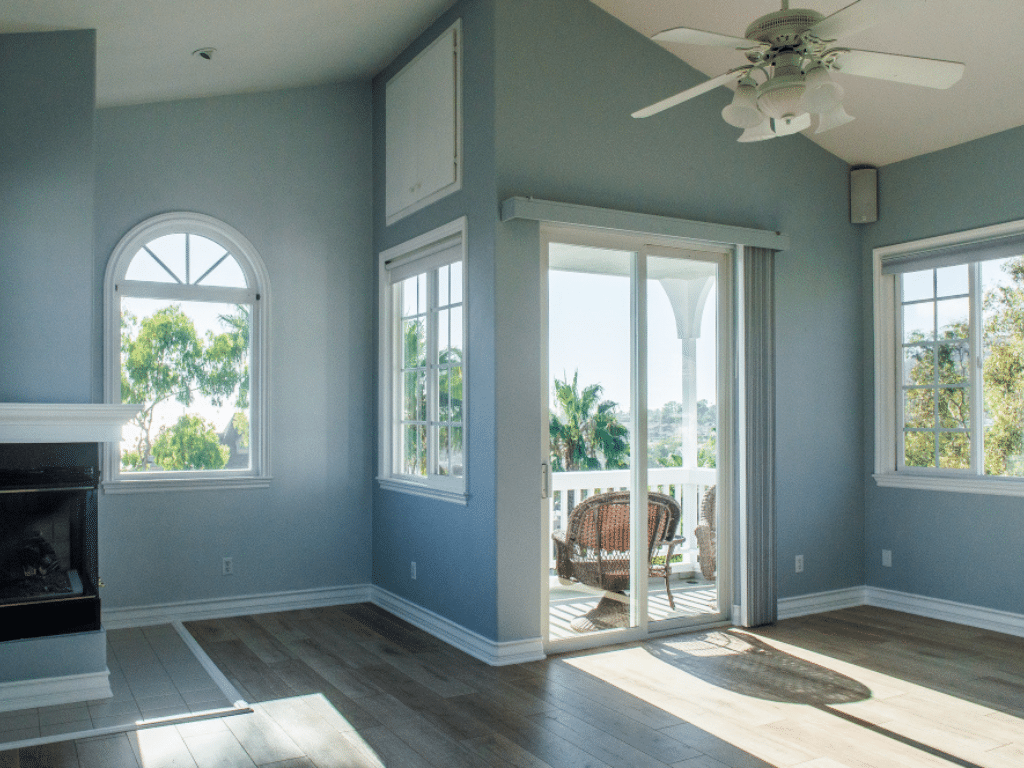
The Winter Paradox
In Ontario, we live with a distinct climatic paradox. We possess some of the most stunning natural landscapes in the world—from the fiery hues of the autumn escarpment to the pristine, snow-dusted silence of deep winter—yet our architecture has historically been designed to fortress us against it. For decades, the standard approach to Canadian home building was “shelter first, view second.” Windows were kept modest to conserve heat, and walls were thick barriers against the howling wind. However, a significant shift in architectural design and material technology is challenging this old paradigm. We no longer want to just survive the winter; we want to witness it, embrace it, and live within it, all while remaining comfortably warm.
Introduction
The concept of “indoor-outdoor living” was once reserved for the temperate climates of California or British Columbia, where the separation between the lounge and the lanai is merely a suggestion. But here in Ontario, where the temperature differential between inside and outside can exceed 40 degrees Celsius, blurring those lines requires more than just intent; it requires engineering mastery.
As we approach another long winter, the urgency to maximize our living spaces becomes palpable. The “walls closing in” feeling of February is a real psychological hurdles for many homeowners. This has driven a surge in demand for floor-to-ceiling windows, massive sliding glass walls, and bi-fold door systems that physically and visually dissolve the barrier between the home and the backyard. This isn’t just about aesthetics; it is about expanding the psychological footprint of a home. By replacing opaque drywall with transparent thermal barriers, homeowners are effectively borrowing the visual space of their gardens, creating interiors that feel boundless.
However, executing this renovation effectively in a northern climate involves navigating a complex matrix of structural reinforcement, thermal dynamics, and privacy concerns. It is about creating a “glass shield” that welcomes the light but rejects the frost.
1. Biophilic Design and Combating the Winter Blues
The primary driver behind the installation of expansive glass walls is rooted in biophilic design—the innate human tendency to seek connections with nature. In Ontario, where sunlight becomes a scarce commodity from November to March, maximizing exposure to natural light is critical for mental well-being. Traditional windows often create high-contrast “glare zones” and leave deep corners of a room in shadow. Floor-to-ceiling glass creates a consistent wash of daylight that mimics the outdoors, helping to regulate circadian rhythms and combat Seasonal Affective Disorder (SAD).
- Psychological Expansion: Large glass panels trick the brain into perceiving the outdoor landscape as part of the room’s square footage, reducing feelings of confinement during long winters.
- Circadian Health: Exposure to morning light is crucial for sleep regulation; floor-to-ceiling glazing ensures that low-angle winter sun penetrates deep into the home.
- Visual Continuity: By maintaining a visual connection with the changing weather, homeowners feel more grounded and connected to their environment, rather than isolated from it.
2. Expanding Living Space with Bi-Fold and Sliding Walls
The most dramatic way to blur the indoor-outdoor line is through the installation of bi-fold doors or multi-slide stacking walls. Unlike standard patio sliders which only open half-way, these systems allow entire walls to vanish. In the summer, this physically doubles the entertaining space, merging the kitchen or living room with the deck. In the winter, the sheer scale of the glass acts as a panoramic viewfinder. This is particularly relevant for renovations where physical square footage cannot be added due to lot lines; the visual expansion serves as a functional alternative.
- The “Vanishing Wall” Effect: Bi-fold doors fold accordion-style to the side, providing a 90% clear opening, whereas traditional sliders usually block 50% of the opening even when fully ajar.
- Seamless Thresholds: Modern systems can be installed with flush tracks recessed into the floor, removing trip hazards and creating a continuous flow from hardwood to decking.
- Traffic Flow: For summer entertaining, these systems eliminate the “bottleneck” at the back door, allowing guests to move freely between the barbecue area and the indoor dining space.
3. Critical Structural Considerations and Engineering
You cannot simply remove a back wall and replace it with glass without significant structural intervention. The exterior walls of a home are almost always load-bearing, supporting the roof and second floor. Installing a 20-foot wide span of glass requires the insertion of massive structural headers—often steel beams (LVLs or I-beams)—to carry that load. This is the “hidden cost” and the most vital component of the renovation. In Ontario, these beams must also account for “snow load,” the heavy weight of accumulated snow on the roof, which adds significant downward pressure on the new opening.
- Steel Beam Integration: For spans wider than 8-10 feet, wood headers are often insufficient; steel I-beams are required to prevent sagging, which would cause the glass doors to jam or crack.
- Point Loads: The weight carried by the beam must be transferred down to the foundation through “jack studs” or steel posts, often requiring upgrades to the basement footings directly below.
- Shear Strength: Solid walls provide lateral stability (shear strength) against wind; when replacing a wall with glass, engineers must ensure the remaining structure can withstand high wind loads without racking.
4. Thermal Performance: The Triple-Glazing Imperative
In a climate like Southern Ontario’s, the R-value (resistance to heat flow) of the glass is paramount. A standard insulated wall might have an R-value of 20 or 25, whereas a single pane of glass is roughly R-1. To replace a wall with glass without freezing the occupants, one must utilize advanced glazing technology. This usually means triple-pane units with argon or krypton gas fills. The goal is to minimize the “cold radiant effect,” where the glass feels like a block of ice sucking heat out of your body, even if the room air temperature is 21°C.
- Low-E Coatings: Microscopically thin metallic layers are applied to the glass surface to reflect interior heat back into the room during winter, while reflecting solar heat out during summer.
- Gas Fills: The space between glass panes is filled with inert gases (Argon or Krypton) which are denser than air and significantly reduce convective heat transfer.
- Condensation Control: High-performance warm-edge spacers separate the panes of glass, reducing thermal bridging and preventing the condensation/frost buildup common on older patio doors.
5. Managing Solar Gain and Overheating
While we want to invite the winter sun in, large glass areas can act as a greenhouse, leading to uncomfortable overheating even in shoulder seasons. This requires a strategic approach to Solar Heat Gain Coefficient (SHGC). In Ontario, we generally want a moderate-to-high SHGC on south-facing windows to harvest free solar heat in winter (passive heating). However, west-facing walls of glass can become unbearable in July afternoons. The solution involves balancing glass coatings or incorporating architectural overhangs that block the high summer sun but welcome the low winter sun.
- Directional Tuning: Professional glaziers can specify different coatings for different elevations—using high-gain glass on the south for warmth, and low-gain glass on the west to prevent scorching.
- Passive Solar Design: Calculating the precise depth of roof overhangs ensures that the glass is shaded during the hottest months but fully exposed during the coldest months.
- HVAC Zoning: Rooms with large glass walls may require independent zoning or dedicated thermostats to account for the rapid temperature swings caused by cloud cover vs. full sun.
6. Frame Materials and Thermal Breaks
The glass is only as good as the frame holding it. In the past, aluminum frames were durable but thermally disastrous, acting as conductors that brought the cold right inside. Today, the standard for luxury renovations is thermally broken aluminum or aluminum-clad wood. A “thermal break” is a reinforced polyamide strip inserted between the interior and exterior profiles of the frame, stopping the transfer of cold energy. This is essential for preventing the frame from sweating or freezing shut in January.
- Aluminum-Clad Wood: This offers the best of both worlds—the warmth and beauty of wood on the interior (which acts as a natural insulator) and the weather-resistant durability of aluminum on the exterior.
- Durability vs. Maintenance: Vinyl frames often lack the rigidity for massive floor-to-ceiling spans; aluminum provides the necessary strength to hold heavy triple-pane units without warping over time.
- Expansion and Contraction: In Ontario, materials must withstand temperature swings from -30°C to +35°C; high-quality frames are engineered to expand and contract without breaking the airtight seal.
7. Privacy Solutions and Smart Glass Technology
Blurring the lines between inside and outside is wonderful until you realize the neighbours can see everything. As glass surface area increases, privacy decreases. Traditional curtains often ruin the sleek aesthetic of floor-to-ceiling windows. The modern solution lies in “Smart Glass” (switchable privacy glass) which changes from transparent to opaque at the flick of a switch using liquid crystal technology. Alternatively, automated roller shades recessed into the ceiling cavity offer a cleaner look, descending only when privacy or blackout is required.
- PDLC Technology: Polymer Dispersed Liquid Crystal glass becomes instantly frosted when an electric current is removed, offering instant privacy without blocking light entirely.
- Motorization Integration: Shades can be tied to smart home systems (like Control4 or Lutron), automatically lowering at dusk or when the room temperature hits a certain threshold.
- Exterior Shades: For ultimate heat control, exterior motorized screens stop the sun before it hits the glass, which is significantly more efficient than interior blinds.
8. The Evolution of the “Ontario Room”
The trend of large glass walls has led to the evolution of the traditional sunroom into a fully integrated “four-season” living space. Historically, sunrooms were often uninsulated additions that had to be closed off in winter. By using the structural and thermal technologies mentioned above, homeowners are now converting these spaces into year-round extensions of the main floor. The floor-to-ceiling glass allows these rooms to feel like outdoor porches, but with the climate control of a living room, effectively beating the winter by allowing you to “sit outside” in a blizzard.
- Insulated Foundations: Unlike old sunrooms built on deck posts, these spaces require full frost-wall foundations or engineered slab-on-grade with radiant heating to ensure comfort.
- Roof Integration: The roofline must be tied into the existing house seamlessly to prevent ice dams, a common issue where glass additions meet existing structures.
- Functional Versatility: These spaces often serve dual purposes—morning yoga studio or coffee spot by day, and dining area or lounge by night.
9. Energy Efficiency and HVAC Loads
A common misconception is that a wall of glass automatically equals a skyrocketing utility bill. While glass will never insulate as well as an R-25 wall, the combination of air-tight installation, triple glazing, and passive solar gain can mitigate the impact. However, the home’s heating system often needs adjusting. Forced air vents located in the ceiling are inefficient for tall glass walls; the heat stays high while the floor remains cold. The gold standard pairing for floor-to-ceiling windows is in-floor radiant heating. This creates a thermal curtain of rising heat directly in front of the glass, washing the surface with warmth and preventing drafts.
- Radiant Synergy: Radiant floor heating is silent and invisible, eliminating bulkheads or radiators that would clutter the clean lines of a glass wall.
- Heat Loss Calculation: A professional HVAC calculation is required to ensure the furnace or boiler has the capacity to handle the increased “peak load” on the coldest night of the year.
- Air Sealing: The largest energy leaks often occur around the perimeter of the window frames; using expanding foam and proper flashing tapes is critical to airtightness.
10. Resale Value and Aesthetic ROI
Beyond the immediate lifestyle benefits, investing in high-end fenestration is a significant driver of property value. In the current Ontario real estate market, “natural light” and “connection to nature” are top-tier selling points. Bi-fold doors and glass walls are viewed as luxury markers, signaling a modernized, high-calibre home. They provide a “wow factor” that photographs exceptionally well for listings. While the upfront cost is substantial, the Return on Investment (ROI) is realized through both the daily enjoyment of the space and the elevated market positioning of the home.
- Curb Appeal from Within: While curb appeal usually refers to the front, the “backyard appeal” viewed from the living room is what sells the lifestyle of the home.
- Modernization: Replacing standard slider doors with a wall of glass instantly updates a 1980s or 90s home, making it competitive with new builds.
- Differentiation: In a neighbourhood of similar housing stock, a home with a seamless indoor-outdoor transition stands out as a unique, premium offering.
Conclusion
The trend of blurring the lines between indoor and outdoor living is more than a fleeting design fad; it is a response to our desire to reconnect with our environment without sacrificing comfort. In Ontario, where the winter is long and often isolating, floor-to-ceiling windows and bi-fold doors offer a remedy. They transform our homes from shelters into observatories, allowing us to watch the snow fall while basking in warmth.
However, achieving this seamless transition is a technical feat. It requires a delicate balance of heavy structural engineering to hold the roof up, and delicate thermal engineering to keep the cold out. It demands a holistic approach where privacy, energy efficiency, and aesthetics are considered in unison. When done correctly, the result is transformative. The walls dissolve, the light pours in, and the harsh Ontario winter becomes a beautiful backdrop to a cozy, expansive life.
Conclusion
As the days shorten and the thermometer dips in Caledonia, the window of opportunity for home improvement does not close—it simply changes focus. Winter-proofing your home through window and door installation in the fall is a decision that pays dividends in comfort, cash, and peace of mind. It is about beating the rush, beating the frost, and beating the high cost of heating the great outdoors.
Do not wait for the first blizzard to reveal the cracks in your home’s armour. By taking action now, you ensure that your home remains the warm, inviting sanctuary it was meant to be, regardless of what the Ontario winter throws your way.
Call to Action
Ready to Expand Your Horizons? Transform your home and embrace the light this winter.
Name: Quinn Construction Inc.
Address: 252 Big Creek Rd, Caledonia, ON N3W 2G9, Canada
Phone: +1 519-759-4978
Frequently Asked Questions (FAQ)
Q1. Can bi-fold glass doors really withstand a harsh Ontario winter?
A1. Yes, but you must choose the right product. Look for thermally broken aluminum or wood-clad frames with triple-pane glazing. The system must be rated for our specific climate zone (Zone 5 or 6) to ensure it seals tight against wind and resists frost buildup.
Q2. Do I need a building permit to replace a standard patio door with a large glass wall? A2. Absolutely. widening an opening in an exterior wall almost always involves structural changes, such as installing a new header (lintel) to support the roof load. This requires a building permit and usually a structural engineer’s drawing to ensure safety.
Q3. Will a wall of glass make my room freezing cold?
A3. If you use cheap glass, yes. However, with modern triple-glazing, Low-E coatings, and argon gas fills, the heat loss is significantly minimized. Pairing the glass with radiant floor heating is the best way to ensure the room stays comfortable even on the coldest days.
Q4. How do I maintain privacy with floor-to-ceiling windows?
A4. You have several options. “Smart glass” can turn from clear to frosted with a switch. Automated roller blinds can be recessed into the ceiling so they are invisible when not in use. Landscaping (cedar hedges or fences) can also provide natural privacy.
Q5. What is the difference between a bi-fold door and a lift-and-slide door?
A5. Bi-fold doors fold up like an accordion, giving you a nearly 100% open space. Lift-and-slide doors feature large panels that slide over one another or into a wall pocket. Lift-and-slides often have thinner frames and can be built in larger individual panel sizes, but bi-folds offer the widest physical opening.
Q6. Is it expensive to install a glass wall?
A6. It is a significant investment. Costs include not just the glass system (which is a luxury product), but also the structural engineering, steel beams, demolition, and finishing work. However, it offers a high return on investment by dramatically increasing the livable feel and luxury appeal of the home.

 The Quinn Construction Inc. Story
 Breathe New Life into Your Barn: Expert Renovations
 Fall in Love with Your Home Again: Custom Additions & Remodeling
 Expert Deck Repair and Installation Services
 Add Light, Space, and Value with a Custom Sunroom
 A Grand Entrance: Professional Door Selection and Installation
 The Right Windows and a Flawless Installation for Your Home